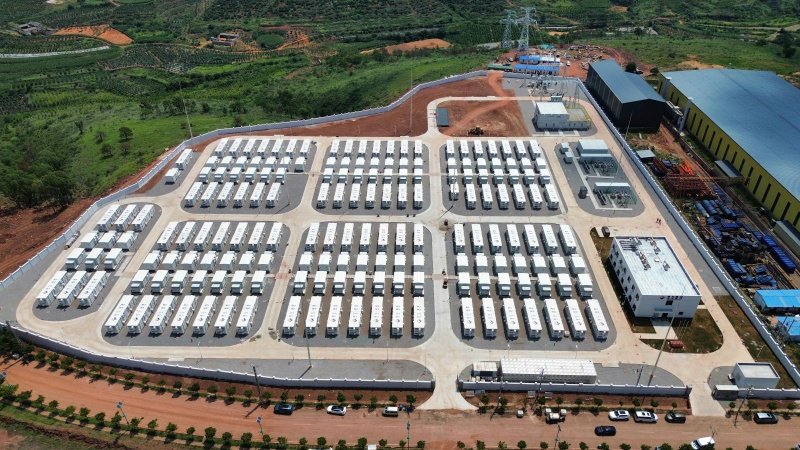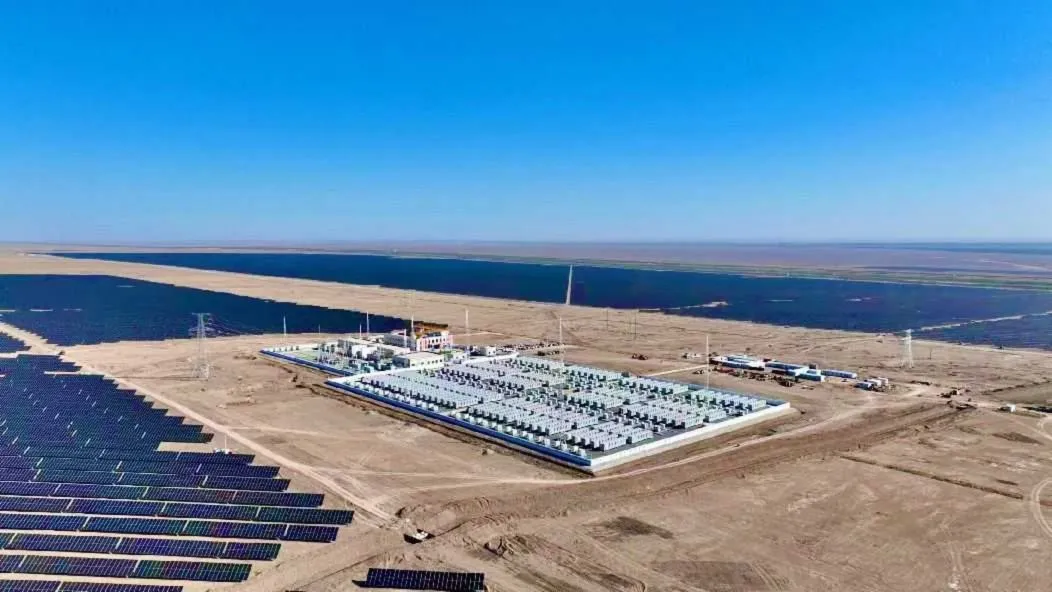
Located in Xinjiang, this 800 MWh energy storage project plays a key role in balancing the region’s vast renewable resources with local power demand. Xinjiang benefits from some of the highest solar irradiation in China, with annual sunshine hours exceeding 3,000 in certain areas. This creates excellent conditions for solar power generation, but it also brings challenges of intermittency and peak demand mismatches.
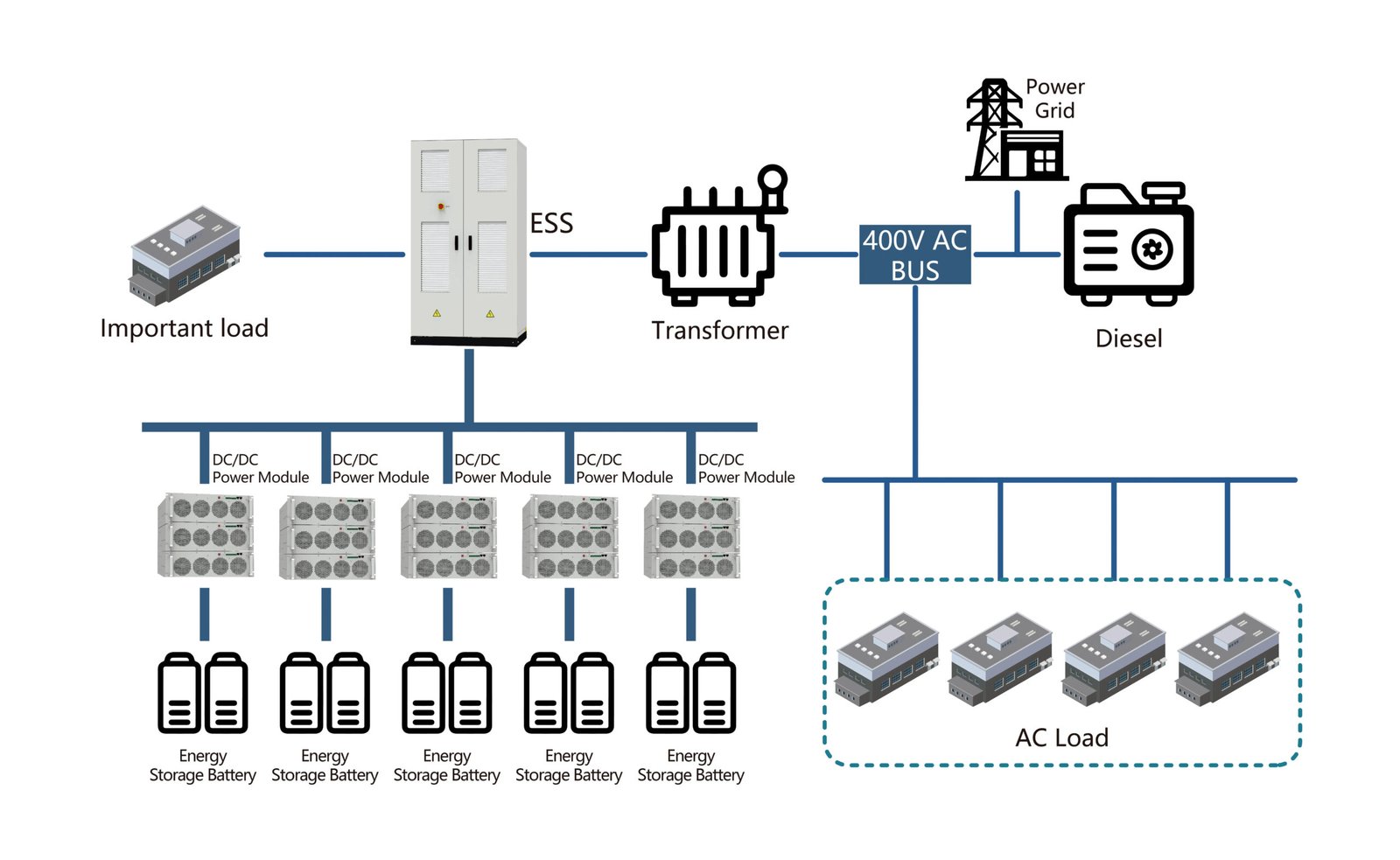
The storage system is designed to capture surplus solar output during the long, high-radiation daylight hours and release it in the evening when demand rises. By doing so, it reduces curtailment of solar power, improves grid stability, and ensures a smoother power supply for both local communities and industry. The project is configured to deliver fast frequency response as well as peak shaving, which is increasingly important as Xinjiang’s grid integrates more large-scale renewable power.
Unlike similar projects in coastal provinces where grid congestion is the main driver, this project directly addresses the unique conditions of the northwest: strong solar resources, long transmission distances, and variable demand. With 800 MWh capacity, the system can provide several hours of continuous discharge, effectively bridging the gap between solar peak production and evening consumption. This makes it one of the cornerstone projects in Xinjiang’s renewable integration strategy.